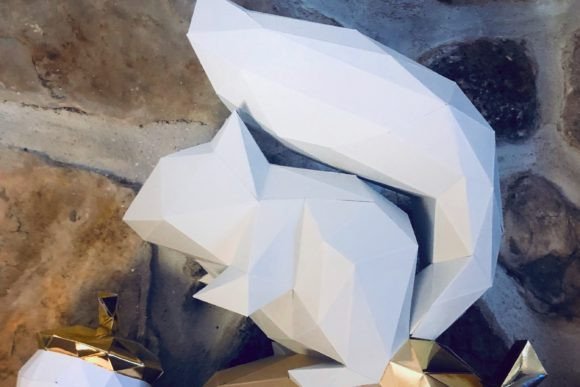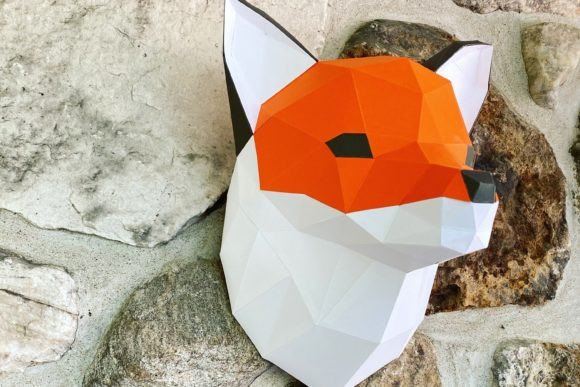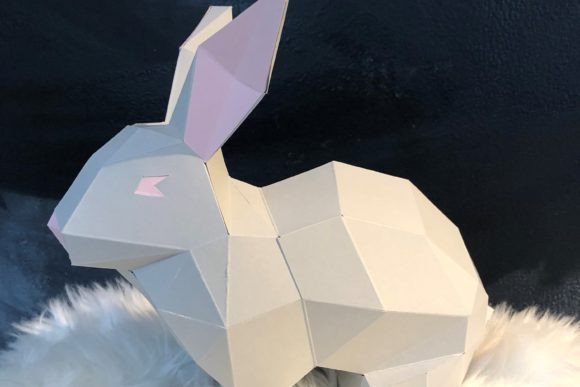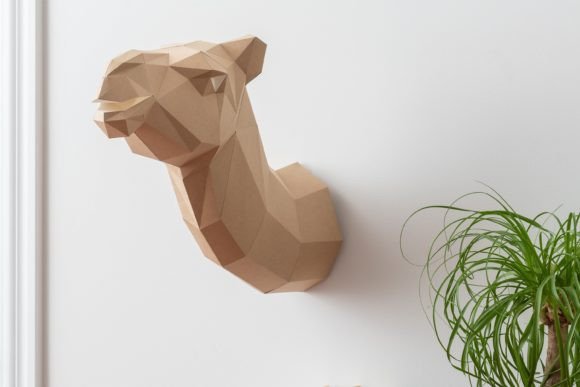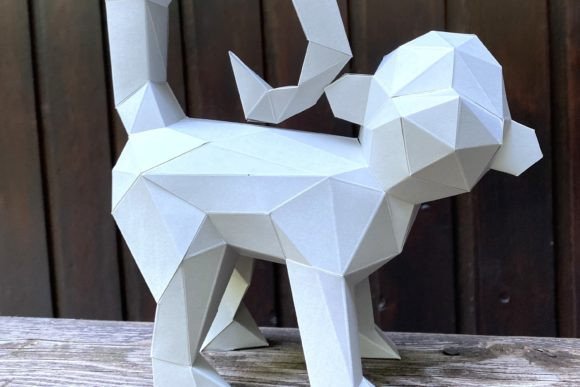
Reviewing Monkey Paper Sculpture 3D SVG for Animals Projects
As a graphic designer who has spent years navigating the delicate balance between aesthetic appeal and functional utility, I approach every new graphic design asset with a critical eye. We are not just looking for pretty pictures; we are looking for tools that solve visual problems. Recently, I evaluated the Monkey Paper Sculpture for a potential client project involving a boutique children’s brand. The goal was to determine if this specific 3D SVG could elevate their brand identity without compromising the professionalism required for high-end packaging design.
The first impression of the Monkey Paper Sculpture is one of tactile warmth. In an era dominated by flat, minimalist vectors, this asset brings a sense of depth and craftsmanship. It mimics the layered intricacy of physical papercraft, creating shadows and dimensions that feel organic rather than digitally rigid. For projects centered around Animals, this style is particularly effective because it evokes nostalgia and handmade quality. It does not scream "digital clipart"; instead, it whispers "artisanal care." This distinction is crucial when working with clients in the handmade business sector or those targeting parents who value unique, non-mass-produced aesthetics.
Integrating the Asset into Real Client Workflows
When considering how this template performs in real design situations, versatility is key. I tested the Monkey Paper Sculpture across several mockups to gauge its adaptability. For logo design, it serves best as a secondary emblem or a decorative badge rather than a primary wordmark companion, due to its intricate details. However, for product labels and packaging design, it shines. The layered effect creates a focal point that draws the eye immediately, helping to establish a clear visual hierarchy on crowded shelf spaces.
In the realm of marketing visuals, this asset is a powerhouse for social media. I envisioned it used in Instagram posts and Pinterest pins for a seasonal campaign. The textured look stands out against the sleek, often sterile backgrounds of typical feed content. For Cricut users and crafters, the value is even more tangible. Since this is a 3D SVG, it is ready for cutting machines, allowing small business owners to create physical stickers, greeting cards, or wall decor. This bridges the gap between digital design and physical product, a essential feature for anyone selling on Etsy or engaging in print-on-demand ventures.
Furthermore, the asset works beautifully in editorial design. Imagine a blog post about sustainable toys or a magazine spread on creative parenting. Placing the monkey sculpture alongside a clean sans serif font creates a lovely contrast between modern typography and traditional craft styles. It adds personality without overwhelming the text, provided the layout allows for sufficient white space.
Strategic Placement and Visual Impact
Understanding where to place this creative design element is just as important as knowing how to use it. The Monkey Paper Sculpture works best in large layout areas where its details can be appreciated. It is ideal for hero graphics on landing pages, central elements on invitation cards, or the main visual on tote bags. In these contexts, the complexity of the paper layers adds richness and perceived value to the final digital product or printed item.
However, designers must exercise caution. This asset should be used carefully in small sizes, such as favicons or tiny footer icons. The intricate cuts that define the "paper" look may blur or disappear when scaled down, reducing the image to an unrecognizable blob. Similarly, avoid placing it on complex, busy backgrounds. The success of this illustration relies on contrast. If the background competes with the layers of the monkey, the visual trust and clarity of the design suffer. It is not suitable for strict, corporate minimalist branding where clean lines and absolute simplicity are mandated. Instead, it thrives in playful, warm, and approachable brand ecosystems.
Technical Considerations for Professional Designers
Before committing to any commercial design project, rigorous testing is non-negotiable. Here are my practical notes for integrating this design bundle into your workflow:
- Contrast Testing: Always test the asset in black and white first. If the layers do not distinguish themselves in grayscale, they will likely fail in low-contrast color schemes. Ensure it pops on both light and dark backgrounds.
- File Format Inspection: Verify the integrity of the SVG design files. Check for closed paths and clean nodes to ensure smooth cutting for Cricut projects. If a PNG design is included, inspect the transparency edges for halos or pixelation.
- Typography Pairing: Compare the asset with various font styles. It pairs exceptionally well with handwritten fonts for a whimsical feel or bold display fonts for impact. Avoid overly ornate script fonts that might clash with the detailed nature of the sculpture.
- Mockup Validation: Place the monkey on real-world product mockups. See how it looks on a mug, a t-shirt, or a sticker sheet. This step reveals scaling issues that are not apparent on a flat screen.
- Licensing Verification: Confirm the commercial license terms. As this quality template is created by Sofs Design, ensure your intended use—whether for sublimation design, sticker design, or web design—is covered. Never assume; always read the fine print to protect your client and your business.
Enhancing Brand Consistency and Emotional Appeal
The ultimate goal of using the Monkey Paper Sculpture is to enhance the emotional connection between the brand and its audience. For small business branding, especially in the niche of children’s products or eco-friendly goods, this asset communicates care and creativity. It suggests that the brand values uniqueness and artistic expression. This boosts audience engagement because viewers perceive the brand as authentic and thoughtful.
When used consistently across Canva templates, email headers, and physical packaging, it strengthens brand consistency. The distinctive style becomes a recognizable signature. However, maintain balance. Do not overuse the asset. Let it be a star player, not the entire team. Use it to accentuate key messages or highlight special offers, ensuring it supports the overall narrative rather than distracting from it.
In conclusion, the Monkey Paper Sculpture is a robust addition to any designer’s library of design assets. It offers a unique blend of digital precision and handmade charm. By understanding its strengths in modern design contexts and respecting its limitations regarding scale and background complexity, you can leverage this illustration to create compelling, professional, and emotionally resonant work. Whether you are a content creator looking for standout blog visuals or a publisher designing a children’s book cover, this asset provides the versatile, high-quality foundation needed for successful creative marketplace offerings.