Escape Room Numbers: A Designer's Review for Real Projects
As a designer who spends more time staring at stitch maps than most people spend watching television, I approach every new machine embroidery design with a mix of excitement and skepticism. We have all been there: you download a file that looks crisp on the screen, only to find it turns into a bird's nest of thread once it hits the fabric. That is why I took a close look at the Escape Room Numbers collection before committing it to any client work or personal projects. This isn't just about whether the numbers look cool; it is about whether they hold up under the needle and deliver value to the end user.
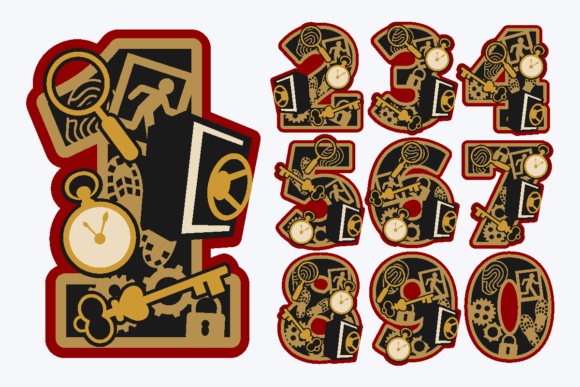
The first thing that strikes me about this collection is its thematic personality. The title "Escape Room" suggests mystery, urgency, and a bit of industrial grit. When I loaded the files, I wasn't looking for standard Arial numerals. I wanted something that felt like a clue in a puzzle. The shapes here deliver on that mood. They have a distinct visual weight that feels perfect for themed events, gaming merchandise, or even just adding an edgy touch to everyday custom apparel. Because these are categorized under Shapes and offered as a 3D SVG, the initial expectation is often geared toward cutting machines. However, for us embroidery enthusiasts, the real question is how these layered vectors translate into thread.
Putting the Design to the Test: A Real-World Scenario
To truly evaluate the Escape Room Numbers, I decided to simulate a real order. Imagine a local escape room business needing branded merchandise for their staff and souvenir shop. They want durable, high-visibility items that fit their brand aesthetic. I chose a heavy cotton canvas tote bag design as my test bed. Canvas is unforgiving; if the digitizing or the source shape isn't solid, the fabric will pucker, or the details will get lost in the weave.
I selected the number "7" from the set. In a standard font, a seven is simple. In this collection, the geometry implies depth. When planning the embroidery, I had to consider how to mimic that 3D effect using thread. Since the download includes numbers 0-9 in a zipped folder with layered files intended for Silhouette Studio and Cricut Design Space, using them for embroidery requires a bit of translation. You aren't just importing an embroidery file ready to stitch; you are importing a shape asset that needs to be digitized or used as an appliqué base.
For this project, I treated the shapes as an applique design. I cut the base shapes from a contrasting felt-like material to maintain that crisp, blocky look associated with escape room props. Layering the fabric added the physical dimension that the "3D" description promises. The result was a tactile, raised number that looked fantastic on the tote. It wasn't just flat thread; it had presence. For an Etsy seller or small shop owner, this approach adds perceived value. Customers love texture, and a layered number feels more premium than a simple satin stitch outline.
Visual Appeal and Stitching Clarity
The strength of the Escape Room Numbers lies in their bold silhouettes. In the world of embroidery, complex details often vanish when scaled down. These numbers, however, rely on strong geometric forms. This makes them incredibly versatile for various applications. Whether you are doing sweatshirt embroidery where the fabric is fuzzy, or creating an embroidered patch that needs to be read from a distance, these shapes maintain their integrity.
When considering thread colors, the design invites high contrast. I tested a black base with neon green stitching, and the pop was immediate. This kind of visual punch is essential for holiday embroidery gifts or party favors where you want the item to stand out in a photo. The clarity of the shape ensures that even with a lower stitch density, the number remains legible. This is crucial for baby embroidery projects, where soft, less dense stitching is often preferred for comfort against sensitive skin.
However, we must talk about the transition from SVG to stitch. Since these are provided as SVGs for cutting software, you cannot simply load them into your embroidery machine unless you have a converter or plan to digitize them manually. This is a vital distinction for craft business owners. If you are expecting a ready-to-stitch digital embroidery file like a PES or DST, you need to adjust your workflow. The value here is in the design asset itself—the clean, layered shapes that allow you to create custom colorways and textures that pre-digitized files might restrict.
Navigating Fabric Challenges and Hoop Constraints
Every designer knows that fabric choice can make or break a project. With the bold nature of the Escape Room Numbers, you have to be careful with textured fabrics. If you try to stitch these directly onto a thick looped towel without a proper stabilizer, the edges might get swallowed by the loops. I strongly recommend using a cut-away stabilizer for anything that will undergo frequent washing, like kitchen towels or active wear.
Curved surfaces present another challenge. If you are applying these to a cap, the rigid geometry of the numbers might fight the curve of the crown. In my testing, smaller numbers worked better on caps, while the larger sizes were best reserved for flat surfaces like pillow covers or aprons. Always confirm your hoop size before starting. While the SVGs are scalable, your machine's physical limits are not. If you are working with a 4x4 hoop, you may need to split larger numbers or scale them down, which could impact the visibility of any intricate inner details.
Dark fabrics require special attention too. If you are stitching light thread on a black hoodie, ensure your underlay is sufficient to prevent the fabric from peeking through. The open spaces within numbers like 0, 6, 8, and 9 are potential trap zones for puckering if the tension isn't dialed in. A quick test run on scrap fabric of the same weight and texture is non-negotiable. It saves you from ruining a client's garment and protects your reputation as a professional.
Commercial Viability and Brand Consistency
For those running a small shop product line or selling on Etsy, consistency is key. The Escape Room Numbers offer a cohesive set that ensures your branding looks uniform across different items. Whether a customer buys a mug rug with a "5" or a t-shirt with a "9", the style remains consistent. This builds brand recognition and trust.
From a commercial standpoint, these shapes are excellent for creating printable mockups. Before you even stitch a single thread, you can place these SVGs onto product photos to show customers what the final item could look like. This helps in pre-selling items or gauging interest in a new collection. Just remember to check the licensing terms included in the zip folder. Some designers allow unlimited commercial use for finished physical goods but restrict the resale of the digital files themselves. Clarifying this upfront prevents legal headaches down the road.
Final Verdict for the Practical Maker
In conclusion, the Escape Room Numbers are a robust set of design assets that shine when handled with a designer's eye. They are not a magic button for instant embroidery; they are raw materials for creativity. Their true power comes from how you interpret them—whether as layered appliqués for a rugged look or as sleek, filled shapes for modern decor.
If you are an apparel decorator looking for something unique to set your finished product apart from the sea of generic fonts, this collection is worth the investment. Just remember to respect the limitations of your machine and fabric. Test your tension, choose your stabilizer wisely, and don't be afraid to experiment with thread textures. When used correctly, these numbers add a layer of professional polish and thematic depth that customers will notice and appreciate. They transform a simple number into a statement piece, proving that even the smallest design elements can have a big impact on your craft business.