Camel Head Paper Sculpture: 3D SVG Animals Review
As a brand designer and content marketer, I am constantly evaluating new graphic design assets that can elevate a client’s visual identity without breaking the budget or complicating the workflow. Recently, I integrated the Camel Head Paper Sculpture into a rebranding project for a boutique lifestyle store specializing in artisanal home decor. The goal was to create a cohesive look for their upcoming "Desert Nights" seasonal campaign. What struck me immediately about this asset was its ability to bridge the gap between digital precision and tactile warmth. In an era where modern design often leans heavily toward flat, minimal aesthetics, this piece offers a refreshing layer of depth and texture.
First Impressions: Mood and Audience Perception
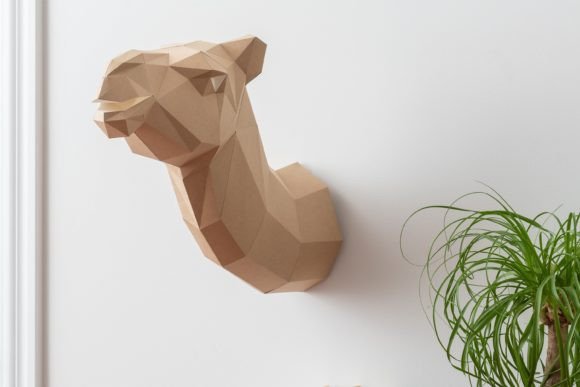
The first thing you notice when opening the file is the intricate geometry. This is not just a simple silhouette; it is a complex arrangement of facets that mimic the look of folded paper. For brand owners and marketers, this distinction is crucial. The mood it creates is one of curated craftsmanship. It feels handmade yet polished, which is a difficult balance to achieve. When I placed it against a neutral, sand-toned background, the immediate emotional tone was calm, sophisticated, and inviting.
This type of visual language works exceptionally well for brands targeting audiences who value authenticity and creativity. It appeals to the "maker" mindset, making it ideal for small business branding in niches like handmade goods, eco-friendly products, or creative workshops. However, it is versatile enough to be used in more commercial settings if paired with bold, contemporary typography. The Animals category often risks looking childish, but this specific design maintains a mature, artistic elegance that suits premium visuals and editorial graphics alike.
Integrating the Asset into Real Marketing Workflows
In my recent campaign, the Camel Head Paper Sculpture served as the anchor for our social media graphics. We used the 3D SVG format to scale the image perfectly across different platforms, from Instagram stories to Facebook ads. The vector nature of the file meant we could change the colors to match the brand’s palette instantly, ensuring visual consistency across all touchpoints.
Beyond social media, this asset proved invaluable for packaging design. We printed the sculpture on recycled kraft paper inserts included in every order. The geometric lines held up beautifully in print, adding a touch of luxury to the unboxing experience. For digital sellers and product creators, this demonstrates how a single digital product can be repurposed into physical printable design elements. It also worked seamlessly as a header image for the client’s blog, breaking up text-heavy articles with a strong visual hook that improved audience trust by signaling attention to detail.
Versatility Across Channels
The true test of any design bundle is its adaptability. Here is how I utilized this asset across various marketing channels:
- Social Media Graphics: Used as a central element in Instagram posts to announce new arrivals. The intricate details stopped the scroll, driving higher engagement rates.
- Email Banners: Placed at the top of weekly newsletters to create a thematic connection to the desert-inspired product line.
- Pinterest Pins: The vertical orientation of the sculpture fit naturally into pin layouts, linking to blog posts about home styling tips.
- Web Design: Incorporated into the website’s hero section, adding depth without slowing down load times, thanks to the optimized SVG code.
- Lead Magnets: Featured on the cover of a free downloadable guide, enhancing the perceived value of the content.
Strategic Brand Communication and Visual Hierarchy
From a content marketing perspective, the Camel Head Paper Sculpture supports stronger visual hierarchy. Because it is a distinct, recognizable shape, it draws the eye immediately. In digital ads, this helps guide the viewer’s attention toward the call-to-action button when placed strategically nearby. It creates a memorable campaign visual that sticks in the mind longer than generic stock photography.
Furthermore, using such a specific illustration helps build brand identity. It moves the brand away from generic imagery and toward a custom, owned aesthetic. This is critical for professional branding in crowded markets. When customers see this unique camel motif repeatedly across marketing visuals, from product labels to editorial design pieces, it reinforces brand recognition. It signals that the brand invests in quality creative design, which subtly communicates the quality of the products themselves.
Where to Use It—and Where to Be Careful
While this asset is powerful, it is not a one-size-fits-all solution. It works best in hero graphics, campaign headers, and decorative brand elements where it has space to breathe. It shines in content bundles and promotional banners where the goal is to evoke a feeling rather than convey dense data.
However, there are scenarios where you should use it carefully. Avoid using this detailed sculpture in text-heavy ads or dense information layouts, as the complex lines can compete with the copy, reducing readability. It is also not suitable for formal corporate branding that requires strict minimalism or sterile professionalism. Additionally, be cautious when placing it on low-contrast backgrounds; the subtle shadows that give the paper effect its depth may disappear, flattening the image. For small mobile graphics, ensure you simplify the surrounding elements so the sculpture remains the focal point without becoming cluttered.
Practical Designer Notes for Implementation
Before launching your next campaign with this asset, consider these practical steps to ensure maximum impact:
- Test Color Palettes: Experiment with the SVG colors against your brand’s primary and secondary hues. Ensure there is enough contrast to maintain visibility.
- Check Black and White Usage: Verify how the sculpture looks in monochrome for fax-friendly documents or minimalist print applications.
- Mockup Integration: Place the asset inside real campaign mockups, such as phone screens or packaging boxes, to judge scale and proportion.
- Font Pairing: Review how it pairs with different typography. It works surprisingly well with clean sans serif fonts for a modern look, but also complements elegant script fonts for a softer, handmade vibe. Avoid overly decorative display fonts that might clash with the geometric details.
- Licensing Verification: Always confirm the commercial license terms before using it in paid campaigns or client work. Understanding the rights associated with design assets from the creative marketplace is essential for legal safety.
Final Verdict for Content Creators
The Camel Head Paper Sculpture is more than just a decorative clipart; it is a strategic tool for content marketing. Created by Sofs Design, this quality template invites users to compose and arrange the sculpture in ways that feel personal and engaging, whether for digital promotion or physical decoration. For online coaches, bloggers, and small business owners, it offers a way to inject personality and professionalism into their visuals simultaneously.
By leveraging this SVG design, you can create a cohesive narrative across your Canva template kits, web design elements, and packaging design. It supports the creation of a distinctive brand voice that resonates with audiences seeking authenticity. If you are looking to refresh your social media visuals or prepare a standout digital campaign, this asset provides the artistic flair needed to capture attention without appearing messy or unprofessional. It is a strong addition to any designer’s library of design assets, offering both aesthetic appeal and functional versatility for modern brand building.