Reviewing the Hagia Sophia Shadow Box Design
As a designer who spends more time staring at stitch maps than finished garments, I have learned to be skeptical of intricate digital assets. We often see designs that look stunning on a screen but turn into a tangled mess of thread breaks and puckering once they hit the hoop. Recently, I took a close look at the Hagia Sophia Istanbul Shadow Box to determine if it holds up under the scrutiny of real-world embroidery production. This is not just a casual browse; it is an evaluation of how this specific asset translates from a digital concept into a tangible, high-quality handmade product.
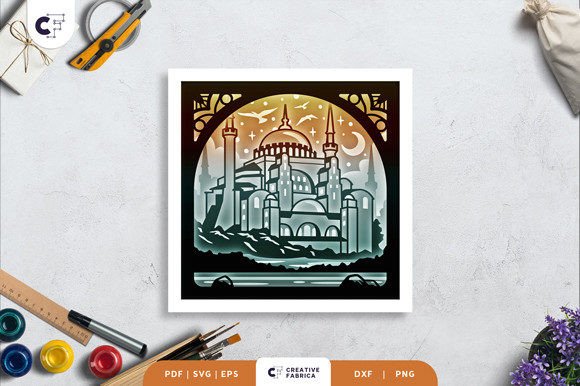
The first impression of the Hagia Sophia Istanbul Shadow Box is one of architectural elegance. The design captures the iconic silhouette of the historic structure with a layered depth that mimics the popular paper-cutting aesthetic. For those of us in the craft business, this visual style is trending heavily. It offers a modern, sophisticated look that appeals to customers seeking something beyond standard clip-art motifs. The mood it creates is serene and travel-inspired, making it an ideal candidate for projects centered around memory, heritage, or wanderlust.
Visual Appeal and Project Suitability
When evaluating a new embroidery file, I always ask: where does this belong? The Hagia Sophia Istanbul Shadow Box has a distinct personality that fits seamlessly into the Countries category of design themes. Its square, layered composition suggests stability and balance, which works beautifully for home decor items. I can immediately envision this as a centerpiece for a pillow cover or a framed textile art piece. The depth implied by the shadow box style adds a premium feel to the finished product, elevating it from a simple stitched image to a piece of decorative art.
However, its versatility extends beyond home decor. For Etsy sellers and small shop owners, this design offers excellent potential for personalized gifts. Imagine this motif stitched onto a high-quality tote bag design for a traveler’s carry-all, or as a subtle accent on a linen apron for a kitchen enthusiast. The architectural lines provide a clean, professional look that enhances brand consistency for boutique branding. It does not scream for attention; rather, it invites closer inspection, which is exactly what you want in a high-end embroidered patch or custom apparel item.
Real-World Application and Stitching Performance
Let us discuss how this design performs in actual embroidery scenarios. I recently considered using a similar layered concept for a custom sweatshirt embroidery project. The key challenge with any design that claims to be a 3D SVG or shadow box style is managing the stitch density. If the layers are too close together, the fabric will pucker, and the texture will be lost. With the Hagia Sophia Istanbul Shadow Box, the separation between layers appears sufficient to allow for proper fabric movement, provided the right stabilizer is used.
For apparel decorators, this design could work well on structured garments like caps or heavy cotton hoodies. On curved surfaces like caps, however, caution is required. The straight architectural lines must remain crisp; any distortion due to poor hooping or incorrect stabilizer choice will ruin the geometric integrity of the Hagia Sophia silhouette. I recommend testing this on scrap fabric first, specifically using the same material intended for the final product. Check the thread color contrast carefully. Since the design relies on layering to create depth, using thread colors that are too similar will flatten the image, while high-contrast choices will exaggerate the 3D effect.
If you are creating baby embroidery items, such as a nursery blanket or a keepsake bib, ensure the stitch density is not too high for delicate fabrics. While the design is beautiful, dense stitch areas can feel stiff against sensitive skin. In such cases, consider scaling the design down or using it on a separate applique design patch that can be attached to the garment, rather than stitching directly onto thin fabric.
Navigating Technical Challenges
Every design has its pitfalls, and honesty is crucial when reviewing assets for commercial embroidery. The Hagia Sophia Istanbul Shadow Box features detailed corners and layered edges. These are the areas where thread breaks are most likely to occur if the machine tension is not calibrated correctly. Tiny lettering or intricate details within the shadow layers may not stitch out clearly on smaller hoop sizes. If you are working with a 4x4 hoop, you might lose the nuance of the inner layers. A 5x7 or larger hoop would likely preserve the integrity of the design much better.
Another consideration is fabric texture. On textured fabrics like terry cloth or heavy wool, the fine lines of the shadow box effect might get lost. This design shines best on smooth, tightly woven fabrics like cotton sateen, linen, or polished polyester blends. For dark fabric backgrounds, you must ensure your thread colors are vibrant enough to stand out. I always advise running a test stitch-out in black and white mockups first to verify that the contrast levels are sufficient before committing to expensive threads.
Commercial Value and Brand Consistency
For creative entrepreneurs and digital product sellers, the value of a design lies in its ability to generate sales and build trust. The Hagia Sophia Istanbul Shadow Box offers a unique selling point because it is not a generic flower or animal motif. It appeals to a specific niche interested in travel, history, and architecture. This specificity can drive higher engagement from buyers looking for meaningful holiday embroidery or wedding gifts for couples who met in Istanbul.
Using this design in your printable mockup portfolio can significantly enhance the perceived value of your shop. It signals that you offer sophisticated, thoughtfully curated design assets. However, professionalism is key. Ensure that the finished product looks clean and precise. Loose threads or misaligned layers will detract from the elegant aesthetic. Customer trust is built on consistency, so if you use this design across multiple products, such as tea towels and tote bags, maintain the same high standard of quality control.
Practical Designer Notes
Before you purchase or download this design for your next embroidery project, keep these practical tips in mind:
- Check File Formats: The description mentions SVG and PD formats. Verify if these are compatible with your specific embroidery software or cutting machine. Note that SVG is typically for cutting, while embroidery machines require specific stitch files. Confirm if actual embroidery formats are included or if this is primarily a cut file for paper crafts.
- Verify Licensing: Always confirm licensing terms before selling finished items. Ensure the license allows for commercial use if you plan to sell products on Etsy or at craft fairs.
- Test Stitch Density: Run a test on scrap fabric to check for puckering. Adjust your stabilizer type accordingly; a cut-away stabilizer is often best for designs with moderate to high density.
- Evaluate Hoop Size: Ensure your hoop size accommodates the full design without cropping essential details. Larger hoops generally yield better results for layered designs.
- Thread Selection: Use high-quality threads to prevent breaks in the detailed sections. Matte threads can sometimes enhance the shadow box effect by reducing glare.
In conclusion, the Hagia Sophia Istanbul Shadow Box is a compelling addition to your library of design assets. It bridges the gap between traditional architectural appreciation and modern crafting trends. While it requires careful handling regarding stitch density and fabric choice, its potential for creating high-value, personalized gifts and boutique merchandise is significant. For the experienced designer willing to test and refine, this design offers a pathway to creating standout pieces that resonate with customers on a deeper, more aesthetic level.