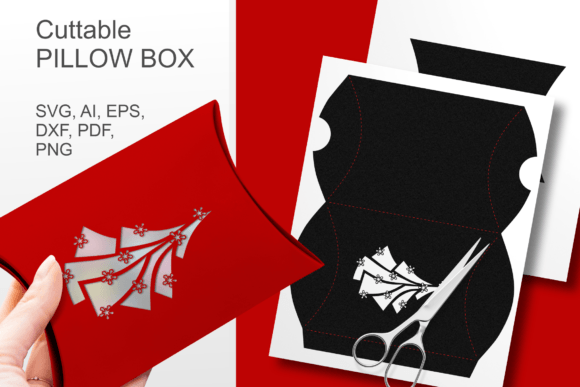
Review: Christmas Tree Pillow Favor Box Template
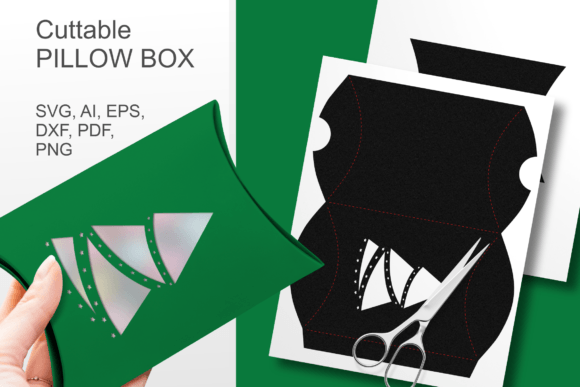
As a designer who spends more time staring at stitch simulations than I do sleeping, I have learned to be skeptical of holiday-themed assets. The market is flooded with generic snowflakes and rushed Santa motifs that look charming on a screen but turn into a tangled mess under the needle. However, when I first opened the Christmas Tree Pillow Favor Box Template, my initial reaction was one of cautious optimism. This is not your standard flat graphic; it is a structural design intended for physical construction, categorized under Gift Boxes and delivered as a 3D SVG. For those of us in the embroidery and craft space, understanding the difference between a decorative stitch file and a cuttable structural template is vital.
First Impressions and Design Mood
The visual personality of this template is understated yet festive. It avoids the chaotic clutter often found in winter holiday designs, opting instead for clean lines and functional decorative holes shaped like Christmas trees. This simplicity is its greatest strength. In embroidery, we often talk about "breathing room" in a design, and while this is primarily a cut file for packaging, that same principle applies. The layout suggests a modern, boutique aesthetic rather than a mass-produced craft store vibe. It feels appropriate for high-end handmade products, appealing to customers who value minimalism and thoughtful presentation.
When evaluating any design asset, I always ask: where does this belong? For this template, the answer is clear. It is ideal for small business owners looking to elevate their unboxing experience. Imagine pairing this box with a custom embroidered tote bag or a personalized baby item. The consistency in branding—from the stitched product to the packaging—creates a cohesive narrative that builds customer trust.
Real-World Application Beyond the Box
While the primary function of the Christmas Tree Pillow Favor Box Template is packaging, my mind immediately went to how these design elements could translate into actual embroidery projects. The tree-shaped decorative holes are essentially negative-space applique shapes. As an embroidery designer, I see immediate potential for adapting these silhouettes into an applique design for a sweatshirt or a cap.
Consider a real-life scenario: you are preparing a holiday collection for your Etsy shop. You are selling embroidered kitchen towels and aprons. Using the tree motif from this template as a inspiration for a satin stitch border or a fill stitch patch can create a coordinated product line. The clean geometry of the tree shape works exceptionally well on textured fabrics like linen or heavy cotton, where overly complex details might get lost. If you are creating a personalized gift set, having the packaging mirror the stitched design on the product inside adds a layer of professionalism that justifies a higher price point.
Technical Considerations for Embroiderers
It is crucial to distinguish that this product is a 3D SVG meant for cutting and folding, not a native machine embroidery file like PES or DST. However, the intersection of cutting and stitching is where modern craft businesses thrive. If you plan to incorporate embroidery into these boxes—for instance, stitching a monogram onto the paper stock before assembly—you must be mindful of stitch density. Paper and cardstock do not behave like fabric. A dense fill stitch will tear the material, while a light running stitch or a simple satin border can add elegance without compromising structural integrity.
For those looking to digitize the tree shapes for fabric applications, pay attention to the corners. Sharp points in vector files often require careful needle penetration settings in your digitizing software. On stretchy fabrics like jersey for t-shirts, these shapes would benefit from a sturdy stabilizer to prevent puckering. On dark fabrics, ensure your thread colors provide sufficient contrast. A metallic gold or silver thread against a deep green or navy background can evoke a luxurious holiday feel, enhancing the visual appeal of the finished product.
Where to Use Caution
Not every project is a good fit for this aesthetic. If you are working on curved surfaces like caps, the rigid structure of the pillow box concept does not translate directly, though the tree motif does. Be careful with tiny details if you are scaling the design down for small hoop size applications, such as 4x4 patches. What looks crisp in a printable mockup may become a bird's nest of thread if the elements are too small for your machine's precision.
Additionally, consider the end-use. If the final item is a handmade product that requires frequent washing, such as a baby onesie or a tea towel, ensure that any adapted embroidery uses secure stitch types. While the box itself is single-use packaging, the design elements you borrow from it for apparel must withstand wear and tear. Avoid placing dense stitching on thin, delicate fabrics unless you are using a lightweight stabilizer and fine needles.
Enhancing Brand Value and Customer Experience
In the world of commercial embroidery and small shop products, presentation is half the battle. Using a well-designed package like the Christmas Tree Pillow Favor Box Template signals to your buyer that you care about the details. It transforms a simple transaction into an experience. For an Etsy seller, this can lead to better reviews and repeat customers. The "unboxing" moment is a key touchpoint in modern e-commerce, and a custom-cut box with thematic decorative holes stands out far more than a generic poly mailer.
This template also serves as a versatile design asset for your marketing materials. You can use the 3D rendering capabilities of the SVG to create realistic previews for your online listings. Showing a potential customer how their embroidered item will look inside this festive packaging can significantly boost conversion rates. It helps them visualize the finished product as a complete gift solution, not just an isolated item.
Practical Designer Notes
Before you commit to a large production run, always test. If you are adapting the shapes for embroidery, stitch out a sample on scrap fabric first. Check the tension and trim any jumps carefully. If you are using the template for its intended purpose—cutting boxes—test different paper weights. Cardstock between 250-300 gsm usually offers the best balance of rigidity and foldability for pillow boxes.
Verify the licensing terms provided with the digital embroidery file or SVG package. While many designers allow commercial use for finished physical goods, restrictions may apply to reselling the digital file itself. Always confirm whether the license covers craft business usage for both personal and commercial projects. Additionally, since specific technical details like exact dimensions or compatible cutting machine settings are not always universal, check the documentation included with the download to ensure it fits your specific workflow.
Ultimately, the Christmas Tree Pillow Favor Box Template is a solid addition to a holiday designer’s toolkit. It is practical, aesthetically pleasing, and versatile enough to inspire both packaging solutions and embroidered accents. By approaching it with a critical eye for detail and a clear understanding of your materials, you can leverage this asset to create memorable, high-quality holiday offerings for your clients.