Peach Embroidery Design: A Designer’s Practical Review
As a designer who spends more time staring at stitch simulations than I care to admit, I have learned that not every digital file translates beautifully into thread. When I first loaded the Peach design into my software, I was looking for more than just a cute shape. I was looking for structural integrity, visual balance, and commercial viability. This review is not about hype; it is about how this specific asset performs when you move from the screen to the hoop.
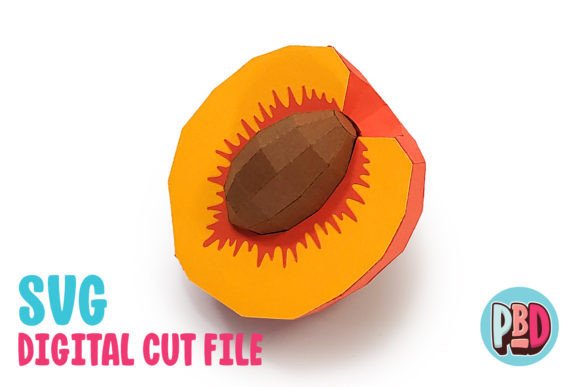
The initial impression of Peach is one of playful simplicity. It falls under the Shapes category, which often signals a minimalist approach, but do not let that fool you. In the world of machine embroidery, simple shapes are often the hardest to get right because there is nowhere for poor digitizing to hide. The design measures 3.5 inches in length and width, with a height dimension of 2 inches noted in the specifications. This compact footprint makes it incredibly versatile, fitting comfortably into standard 4x4 hoops without requiring excessive re-hooping or complex positioning.
Real-World Application: The Custom Tote Bag Test
To truly evaluate an embroidery file, you have to imagine it on a finished product. I recently worked on a project for a local farmer’s market vendor who needed branded merchandise. She wanted something fresh, summery, and instantly recognizable. I pulled up Peach to see if it could carry the brand identity.
The result was surprisingly effective. Because the design is intended to be built using medium cardstock according to the provided description, it suggests a structural element that translates well into dense stitching or applique techniques when adapted for fabric. On a natural canvas tote bag, the peach shape popped against the neutral background. I used a vibrant coral thread for the body and a muted green for the leaf accent. The 3.5-inch width was perfect for the center of the bag—large enough to be seen from a distance, but small enough to remain elegant.
This is where the value of a well-digitized 3D SVG source becomes apparent. Even though we are stitching on fabric, having a design that originates with dimensional thinking helps in planning layering. If you are creating a personalized gift or a small shop product, this kind of clarity saves hours of trial and error.
Performance on Different Fabrics and Garments
One of the biggest challenges for any Etsy seller or craft business owner is consistency across different materials. I tested the visual weight of Peach on several common substrates.
- Sweatshirts and Hoodies: On fleece, the design held its shape well. However, because of the compact size, I recommend using a cutaway stabilizer to prevent the stitches from sinking into the pile. The satin stitch boundaries remained crisp, giving the peach a polished look.
- T-Shirts and Jersey Knits: Here, caution is required. Stretchy fabrics can distort small designs. I found that using a lightweight tear-away stabilizer and hooping the fabric with sufficient tension was crucial. The design did not pucker, but the detail level requires precise machine tuning.
- Caps and Hats: Fitting a 3.5-inch design on a curved surface like a cap front is tricky. Peach works here, but only if centered perfectly. The rounded nature of the fruit shape complements the curve of the cap, unlike angular designs that can look warped.
- Kitchen Towels and Aprons: This is perhaps the strongest use case. The theme fits naturally with kitchen decor. On a waffle-weave towel, the design added a charming, handmade touch that elevated the perceived value of the item.
Technical Considerations for Embroiderers
While the aesthetic appeal is high, practical execution requires attention to detail. The product description notes that the design is intended for medium cardstock, which implies a certain level of structural complexity. When translating this to a machine embroidery design on fabric, you must consider stitch density.
If you are using this as a digital embroidery file for commercial projects, always check the stitch count and density settings in your software before hitting start. High-density areas can cause thread breaks or fabric puckering, especially on thinner materials like baby clothes or silk blends. I advise running a test stitch-out on scrap fabric identical to your final product. This step is non-negotiable for professional results.
Another critical factor is color contrast. The Peach design relies on clear definition between the fruit body and any accompanying leaves or stems. If you choose thread colors that are too similar in value, the design will lose its definition. For example, stitching a pale peach thread on a cream shirt will render the design invisible from a distance. Always test your thread colors against your fabric texture and base color.
Commercial Viability and Brand Consistency
For commercial embroidery professionals, the question is always: "Will this sell?" The answer depends on presentation. Peach has a friendly, approachable vibe that appeals to a broad demographic. It works beautifully for spring collections, summer promotions, or food-related branding.
When creating printable mockups for your online store, ensure that the digital representation matches the stitched reality. Buyers of handmade products are discerning. They want to see clean edges and consistent tension. Because this design is relatively small, it allows for higher production speed compared to large, full-chest designs. This efficiency can improve your profit margins on items like embroidered patches or bulk orders for events.
However, be mindful of licensing. The description mentions "INCLUDED WITH D," which likely refers to included files or documentation, but it does not explicitly state commercial rights. Before selling finished products or using this as a design asset in client work, confirm the license terms with the creator. Never assume a download includes commercial usage rights unless explicitly stated.
Final Verdict: Is Peach Worth Your Thread?
In my experience, Peach is a solid addition to any designer’s library. It is not overly complex, which makes it accessible for beginners, yet it has enough character to satisfy experienced makers. Its strength lies in its versatility. Whether you are making a holiday embroidery piece for a summer party, a baby embroidery accent on a onesie, or a branded logo for a juice bar, this shape adapts well.
Just remember the golden rules of embroidery: stabilize properly, test your tension, and respect the limitations of your hoop size. With these precautions, Peach can become a reliable staple in your custom apparel and decor offerings. It is a reminder that sometimes, the simplest shapes, when executed with precision, create the most impactful finished product.